
Free Family Days Out in Suffolk: 8 Options Compared
A practical comparison of eight free family days out across Suffolk, judged on travel time, facilities,...

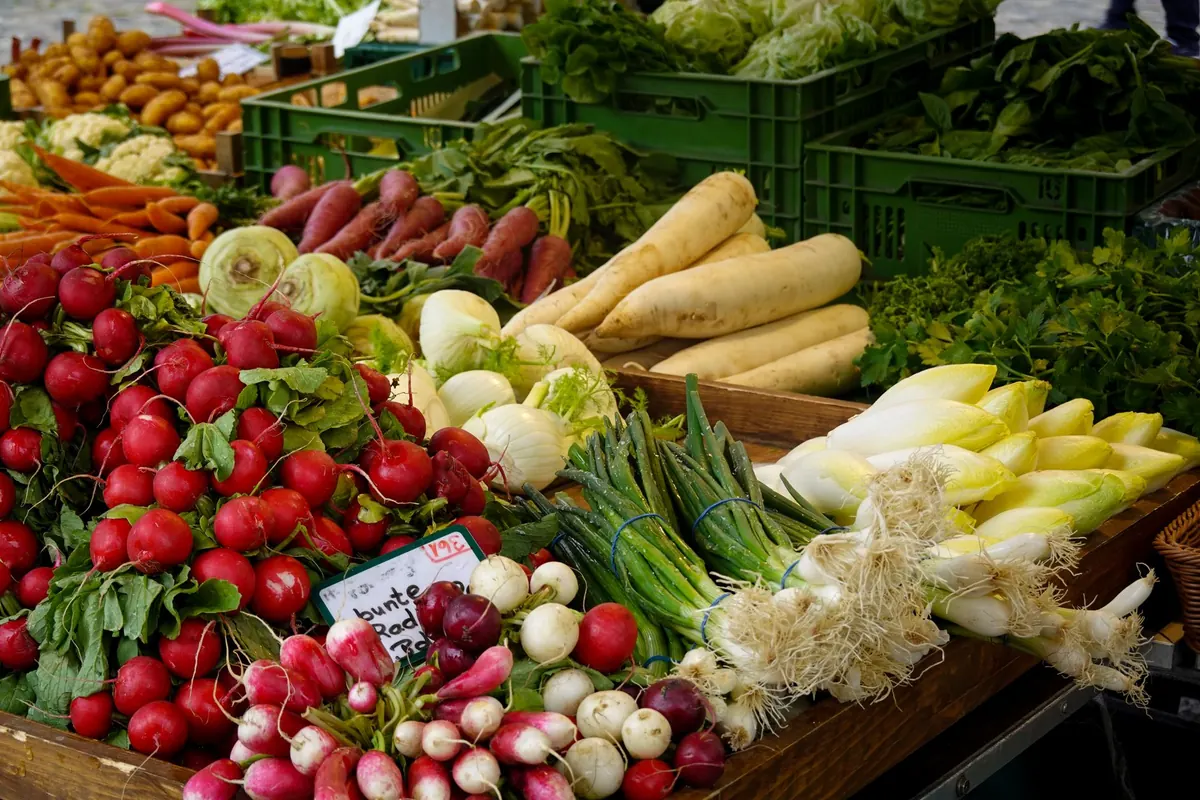
Suffolk's market calendar has its own rhythm, and it rarely matches the supermarket one. Late April brings the first bundles of asparagus to Bury St Edmunds; by August the same stall is piled with courgettes and sweetcorn; December means sprouts on the stalk and a queue for the turkey. Knowing what runs when — and what's genuinely worth buying that week — turns a Saturday browse into a proper shop.
Suffolk has three broad kinds of market, and it helps to know which one you're heading to.
Weekly town markets. Bury St Edmunds, Ipswich, Sudbury, Stowmarket, Beccles, Newmarket and others hold regular market days: a mix of general stalls with a handful of food producers. Good for a midweek top-up, less reliable for a full seasonal haul.
Monthly farmers' markets. Woodbridge, Aldeburgh, Southwold, Framlingham, Halesworth, Saxmundham, Lavenham and plenty of villages run monthly markets, usually on a Saturday morning. Producers only, and mostly the same faces each month. That's the point. Build a relationship with a grower in May and they'll tell you in October what's coming next.
Seasonal and one-off events. Christmas markets, harvest fairs, food festivals and church-hall sales. This is where the unusual stuff turns up.
A few things worth knowing before you plan a trip:
March is the leanest month, but not empty. Expect stored roots — carrots, parsnips, beetroot, potatoes — plus purple sprouting broccoli, leeks, kale, forced rhubarb and the last of the winter cabbages. Some markets take a short break after Christmas, so check before travelling.
By April, the stalls shift. Wild garlic, watercress, spring greens, radishes, salad leaves and, if the weather has behaved, the first asparagus appear. In Suffolk, asparagus is the headline act — look for tight tips, straight spears and a squeak when you rub two together. It is worth paying more for spears cut that morning; imported asparagus is a different vegetable altogether.
May is the month to buy broadly: asparagus at its peak, plus new potatoes, peas, broad beans, spinach, chard, lettuce, herbs and early strawberries from polytunnels. It's also the best time to talk to growers about boxes, veg shares or pre-orders for summer. If you want a regular supply of salad, ask now rather than in July.
June brings strawberries, raspberries, broad beans, peas, courgettes, cucumbers, beetroot, carrots, new potatoes and the first cherries if you're lucky. The market starts to feel generous again. Look for bunches of herbs — mint, dill, parsley, basil — and buy more than you think you need; a bunch costs little and lifts a whole week of cooking.
July is soft-fruit heaven: gooseberries, blackcurrants, raspberries, loganberries and tayberries, alongside runner beans, French beans, tomatoes, cucumbers, peppers and early sweetcorn. This is the month to make jam, freeze berries and roast tomatoes for the winter. A flat of strawberries at 10am can become three jars of jam by the afternoon.
August is the glut. Courgettes, sweetcorn, tomatoes, aubergines, peppers, plums, damsons, blackberries and early apples all land at once. Coastal markets such as Aldeburgh and Southwold may also have fish from local boats, depending on the stall lineup. It is the easiest month to eat well and the hardest month to resist buying too much. Take a friend, split a box, and plan meals before you go.
September is the turning point. Apples, pears, plums, damsons, blackberries, squash, pumpkins, sweetcorn, tomatoes, beans, chard and kale are all on offer. The first decent apples make the supermarket versions taste like nothing. Ask which varieties are good for eating raw and which collapse into sauce.
October brings maincrop potatoes, onions, garlic, carrots, parsnips, celeriac, squash, apples, cobnuts and walnuts. Game may appear at larger markets — pigeon, venison, rabbit — often at prices that beat a butcher's. This is also when the cheese and charcuterie stalls start to feel essential rather than optional.
November is roots and brassicas: leeks, Jerusalem artichokes, quince, medlars, chestnuts and pumpkins, plus the last of the outdoor salad. Christmas orders open, and the wise shopper puts in a turkey, goose or ham now. By the end of the month, the market has quietly become a winter market.
December means sprouts on the stalk, red cabbage, parsnips, carrots, potatoes, celeriac, swede, leeks, kale and cavolo nero. Christmas markets add turkeys, geese, hams, mincemeat, preserves, wreaths and plenty of last-minute gifts. Go early for the best birds and the calmest queue. The atmosphere is half the point, but the shopping is serious too.
January is quiet. Some monthly markets pause, and the weekly ones shrink. What remains is storage veg, forced rhubarb, leeks, kale, winter salads and preserves. It is a good month for meat, cheese, bread and store-cupboard staples rather than impulsive produce. If a market is running, go — the growers who turn up in January are the ones worth knowing.
February is the hungry gap. Purple sprouting broccoli, leeks, parsnips, celeriac, spinach and rhubarb keep things interesting, but the choice is narrow. This is the time to use your freezer, your jam shelf and your relationships. A good stallholder will tell you what to do with a swede when you're tired of roasting it.
A practical comparison of eight free family days out across Suffolk, judged on travel time, facilities,...
A practical guide to planning a village hall fundraiser in Suffolk, from booking the venue and sorting...
Housing targets are rising across England, and Suffolk's villages sit in the middle of the argument....